

People are overwhelmed with more content than they could ever consume, yet they only trust a fraction of it. That is why effective content marketing cannot rely on simply pushing out blogs or social posts just to stay visible. It needs a clear, consistent approach that attracts, informs and keeps an audience’s trust because trust, once lost, is hard to win back.
With endless posts, videos, podcasts, newsletters and now instant AI-generated answers, showing up is no longer enough. Your content must earn attention in seconds and hold it with ideas that feel specific, relevant and genuinely valuable. A steady flow of bland or repetitive material will not build real credibility.
This is where the 3 E’s of Content Marketing become essential: Entertaining, Emotional and Educational. These pillars serve as a reminder that attention is limited and must be earned every time. A strong content strategy built on the 3 E’s stands out, builds trust and creates meaningful, lasting engagement.
Audience Attention Spans Keep Shrinking
Audiences encounter an overwhelming number of marketing messages every day, yet their trust and attention remain limited. One body of decades-long research found that the average person’s attention span for a single screen is now just 47 seconds, down from 2.5 minutes in 2004. This sharp drop shows that people have less patience for content that feels repetitive or unhelpful. The quality of what you publish now plays a direct role in shaping customer relationships long before any purchase happens.
Content that works does more than just share information. It answers real questions, holds genuine interest, and builds stronger connections by tapping into human emotions and aspirations. When these qualities come together, your content shifts from being just another piece of promotion to becoming a credible resource that people want to return to and recommend.
The 3 E’s Content Framework
Using the 3 e’s of content marketing as a guide helps businesses create content that feels meaningful and consistent. Here’s how you can do it:
1. Entertaining (to Hold Attention)
Content that entertains does more than just amuse people; it earns the precious seconds of attention that most brands fight for every day. True entertainment is not about gimmicks or forced humour. It means delivering your message in a way that surprises, delights, or holds someone’s interest until the very end.
This works because it breaks the monotony of routine messaging and predictable feeds. A clever video, a behind-the-scenes glimpse, an unexpected meme, or an amusing customer story can make even complex or technical topics feel lighter and more relatable. Brands that master this approach prove that entertainment can turn an ordinary product into something people want to engage with. Old Spice remains a standout example. Its iconic ads turned a basic hygiene product into something people genuinely wanted to watch, talk about, and share.
The same principle holds for brands in more serious or complex industries. When you apply creativity to topics that often feel dry, you invite your audience to engage on a human level. Additionally, interactive quizzes, animated explainers, or witty social polls can make specialized information feel accessible and interesting, giving people a clear reason to stay connected and keep coming back.
All of the Terry Crews Old Spice Commercials
2. Emotional (to Build Deeper Connections)
Emotional content remains one of the most effective ways to turn passive audiences into loyal advocates. Research shows that ads generating a stronger emotional response deliver significantly better sales impact than those that rely purely on product facts or features. When content evokes emotion, it becomes more memorable and helps your brand stand out.
Many brands use this approach to build trust and loyalty over time. Pedigree’s “Feed the Good” campaign, for instance, tapped into the deep bond between people and their pets. By sharing real adoption stories and highlighting how dogs bring out kindness in people, Pedigree shifted focus away from the product alone and built genuine emotional relevance.
Emotion works just as well in B2B marketing, but is often underused. For instance, HubSpot’s small business success stories show how real entrepreneurs have grown and overcome challenges using its CRM platform. These stories create an emotional bridge between the brand and other business owners who see themselves in similar situations. By focusing on human experiences and clear results, these stories build credibility much faster than a standard product brochure ever could. When brands combine real-world results with emotional storytelling, they give people a reason to care — and to remember.

3. Educational (to Build Trust)
Educational content remains one of the most effective ways to build genuine trust, especially when your product or service is complex or involves significant decision-making. People want help making better choices, not just polished sales material. Brands that invest in practical, easy-to-understand educational content show that they understand their audience’s real challenges and are willing to help them solve problems.
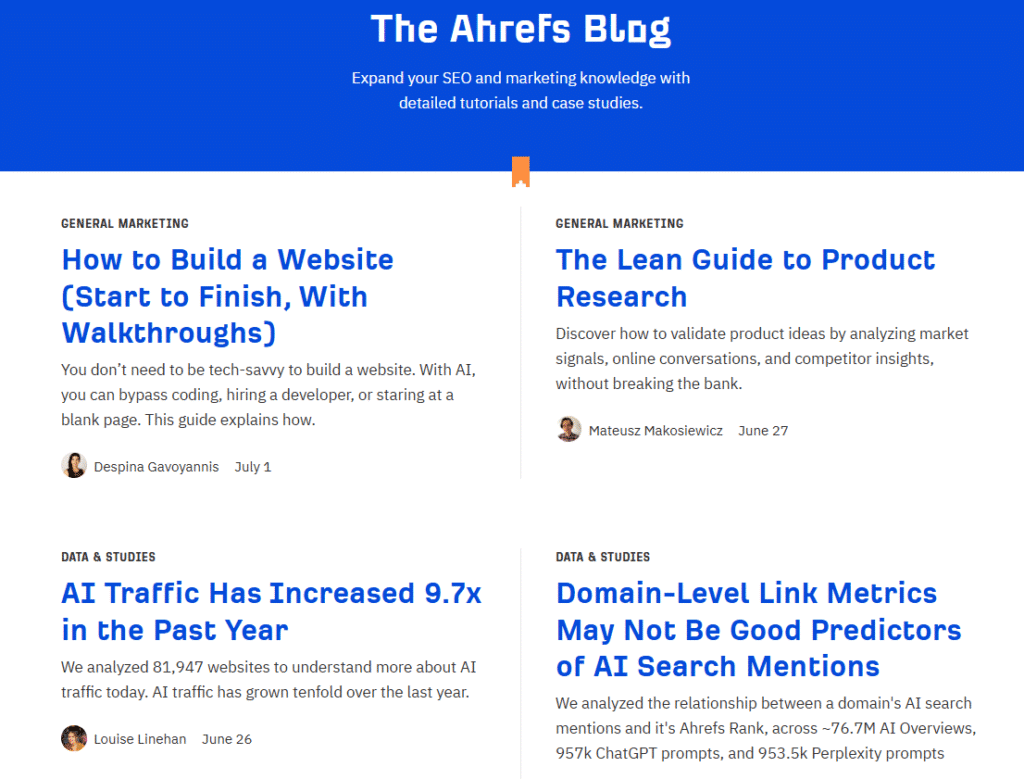
A standout example is Ahrefs, an SEO software company that has become a trusted source for marketers worldwide. Instead of simply promoting its tools, Ahrefs has built one of the most respected content libraries in the industry. Their detailed guides, practical video tutorials, and free SEO courses break down complex topics like keyword research and link building into clear, actionable steps. This educational approach attracts a steady stream of organic traffic and helps the brand earn trust well before someone becomes a paying customer.
Another smart approach is Adobe’s ‘Make It Happen’ creator series, which profiles real artists and designers using its tools in practical ways. These short videos offer behind-the-scenes insights that demystify design processes and show real-world tips for improving creative work. By sharing informative content that feels accessible to both professionals and beginners, Adobe strengthens its reputation as a brand that empowers people to learn and experiment confidently.
Effective educational content works because it is actionable, easy to digest, and genuinely useful. It answers real questions, addresses common pain points, and leaves people with something they can use immediately. When you help people learn and succeed, you earn credibility that lasts well beyond a single transaction.
Final Thoughts
People are surrounded by more information than they could ever consume, yet their trust and attention remain limited and hard-earned. Brands that stand out are the ones that respect this reality by creating content that serves a real purpose. The Three E’s: Entertaining, Emotional, and Educational give you a clear guide to make every piece of content worth someone’s time. When your content captures attention, connects on a human level, or teaches something genuinely useful, it does more than just fill a feed. It earns trust and builds loyalty that lasts.
For any business focused on long-term growth, this approach turns content from an expense into an asset. Well-crafted content attracts the right audience, strengthens relationships, and sparks conversations that go far beyond your channels. The result is a community that doesn’t just consume your content but returns for more and shares it with others.
At Sandstorm Studios, we believe every piece of content should have a clear purpose and make a real difference. Our team works alongside you to turn ideas into stories, campaigns, and resources that bring the 3 e’s of content marketing to life in a way that feels authentic and meaningful. If you want to create content that people remember, trust, and share, we are ready to help you make it happen with clarity, creativity, and results you can measure.